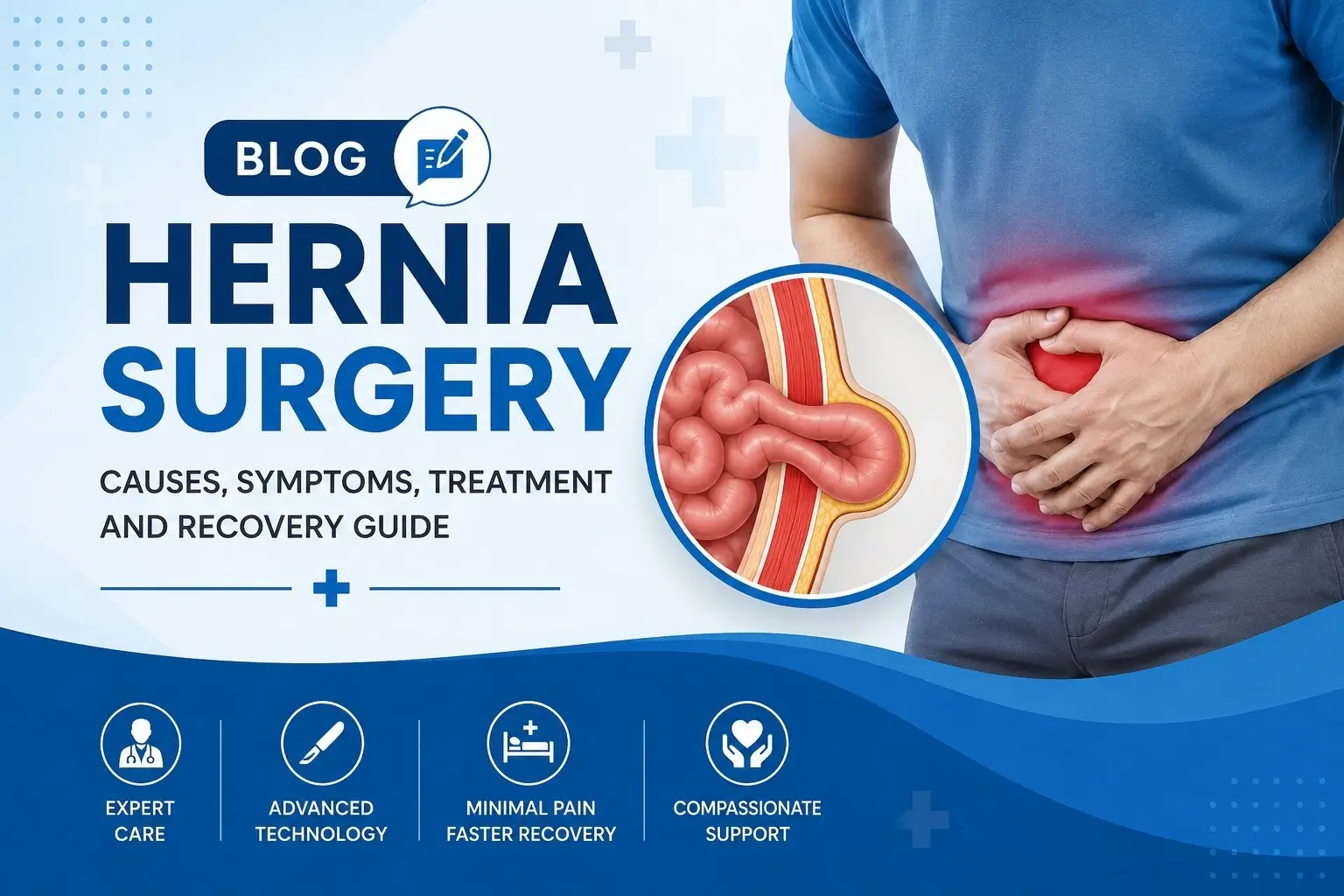



Piles, or hemorrhoids, are one of the most common health conditions among adults. But many people delay seeking medical care because they are embarrassed or think the problem will resolve itself. The truth is that piles can be treated, and the right treatment at the right time can make a huge difference to your comfort and quality of life.
Surgery is probably the most effective solution for advanced or recurring piles, although lifestyle changes and medications can help many people in the early stages. Knowing when surgery is the right choice can help you make an informed decision without undue concern.
What are hemorrhoids?
Piles are swollen veins found in the lower rectum or around the anus. They can develop from increased pressure in the area, typically caused by:
- Chronic constipation
- Straining to have a bowel movement
- Sitting on the toilet for a long time
- Low-fiber diet
- Pregnancy
- Fatness
Not being physically active on a regular basis
At some time in their lives many people get piles, and treating them early can prevent the condition from getting worse.
Typical Symptoms
The appearance of piles varies from individual to individual. Some of the common symptoms include:
- Pain or discomfort during a bowel movement
- Itching or irritation around the anus
- Swelling around the anus
- A small lump near the anal opening
- Bleeding with bowel movements
- Feeling that the bowel is not completely emptied
These symptoms can also be caused by other digestive conditions. That is why it is important to have a proper medical evaluation rather than self-diagnose.
Is Piles Easier Treated Without Surgery
Yes. Not all patients require surgery.
At the initial stage, doctors usually recommend conservative therapy, including:
- More fiber
- Drink plenty of water.
- Exercise regularly
- Don’t stay too long.
- Medication prescribed
- Warm sitz baths
These measures often help reduce symptoms and prevent the condition from getting worse. If symptoms persist despite these treatments, however, your doctor may discuss other options.
When is surgery the better choice?
Many people believe surgery is the first treatment for piles. In practice, it is usually only recommended when it provides the best long-term result.
Your doctor may recommend surgery if:
- The symptoms recur despite treatment.
- The piles are large or have reached advanced stages.
- Hemorrhage is common.
- The things you do every day are hard.
- Office procedures have not provided long-term relief.
- Modern surgical techniques are designed to provide effective treatment and support a smoother recovery for suitable patients.
Advantages of Timely Piles Surgery
If surgery is medically necessary, there are several advantages to this choice.
Long-Term Relief
Surgery addresses the cause of the problem, not just the symptoms, and is a good option in many severe cases.
Improved Quality of Life
A lot of patients find it easier to go back to work, travel, exercise, and other normal activities after recovery.
Lowered Risk of Complications
Early treatment of advanced piles can help reduce ongoing discomfort and prevent further progression.
Increased Confidence
Many people suffer from piles for months or years as they feel embarrassed. Often getting treatment quickly provides them with peace of mind and lets them get back to their daily lives.
What is a piles operation?
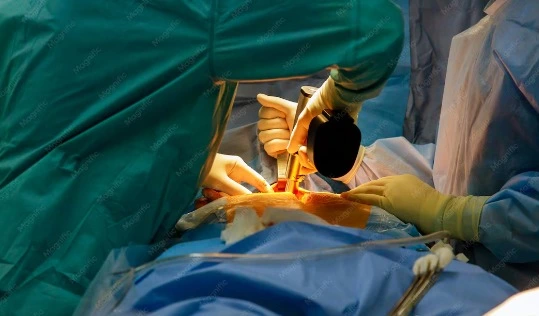
The exact procedure will depend on the type and severity of the piles.
Your surgeon may recommend, depending on your condition, the following:
LASER TREATMENT FOR PILES
- Stapler operation
- Standard hemorrhoid surgery
- Other, less invasive procedures
Your surgeon will discuss the best treatment for you based on your medical condition and overall health. Many procedures are performed in a short period of time and appropriate patients are discharged the same day.
Post-surgery recovery
Everyone heals differently, but an important part of healing is to follow your doctor’s instructions.
Some useful recovery tips are:
- Drink lots of water every day.
- Eat foods rich in fiber, including fruits, vegetables, and whole grains.
- Take medicines exactly as directed.
- Don’t try to force a bowel movement.
- Resume normal activities slowly and as directed by your doctor.
- You should go to your follow-up visits.
- Having good bowel habits after treatment can also help lower your chances of future problems.
Don’t Ignore Ongoing Symptoms
Many people think that piles are part and parcel of aging or that home remedies will cure the problem for good. While home care can offer temporary relief, chronic or recurrent symptoms should always be assessed by a qualified specialist.
Often, early consultation will allow doctors to recommend the best treatment before the condition advances further.
How to Choose the Right Piles Specialist Hospital in Coimbatore
If you are looking for a Piles Specialist Hospital in Coimbatore Select a hospital that offers:
- Experienced colorectal & general surgeons
- Modern diagnostic equipment
- Other treatment options
- Tailored treatment regimens
- Extensive aftercare support
- Patient-centered care and guidance
Depending on your symptoms, general health, and the stage of your piles, a team of specialists will take a detailed look at your condition and suggest a treatment plan.
Conclusion
You don’t have to live with piles for the rest of your life. Many cases improve with lifestyle changes that are healthy and medical treatment, but surgery might be the best option for patients with persistent or advanced symptoms. The goal is not only to ease the discomfort but also to get you back to your normal routine with more confidence and comfort.
If you are experiencing persistent symptoms or are worried about piles, you should consult an experienced specialist for an accurate assessment. “Early diagnosis and early treatment can help you make better decisions and have better long-term outcomes.”